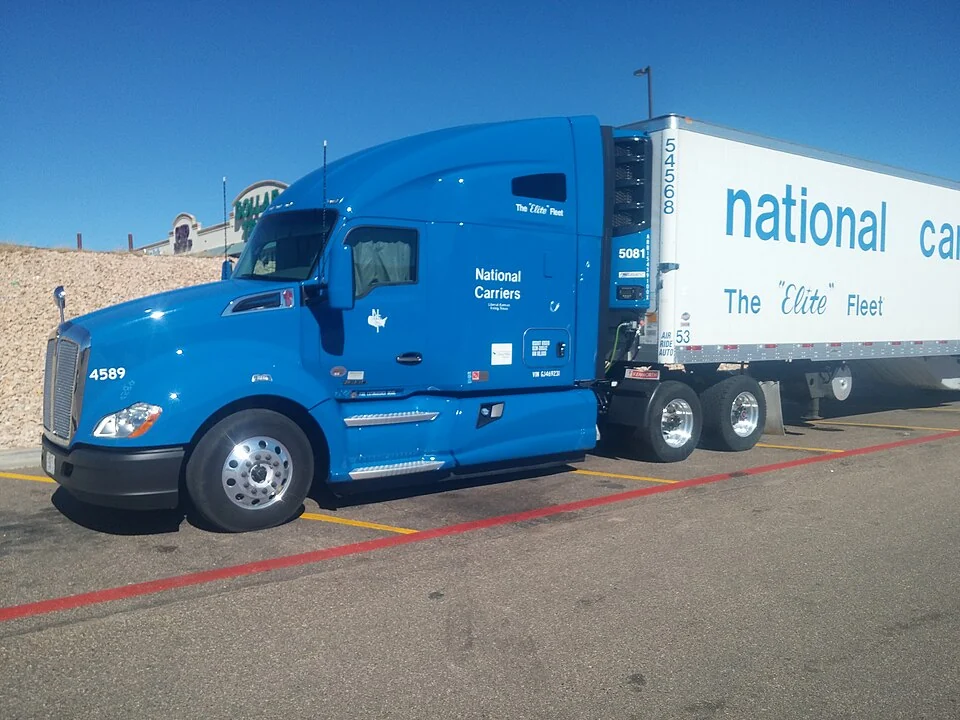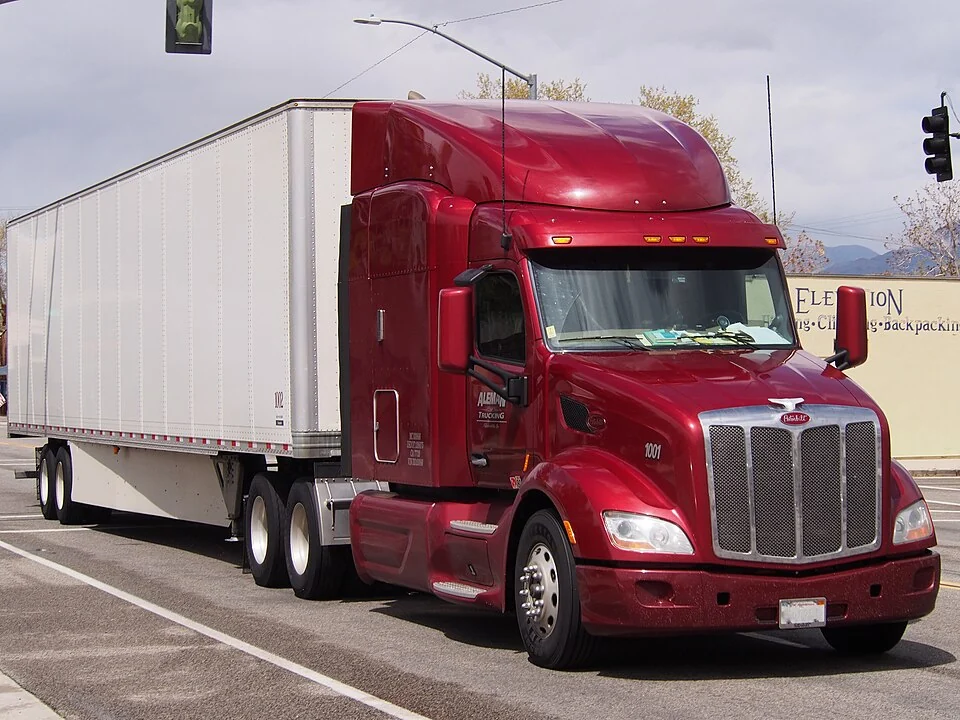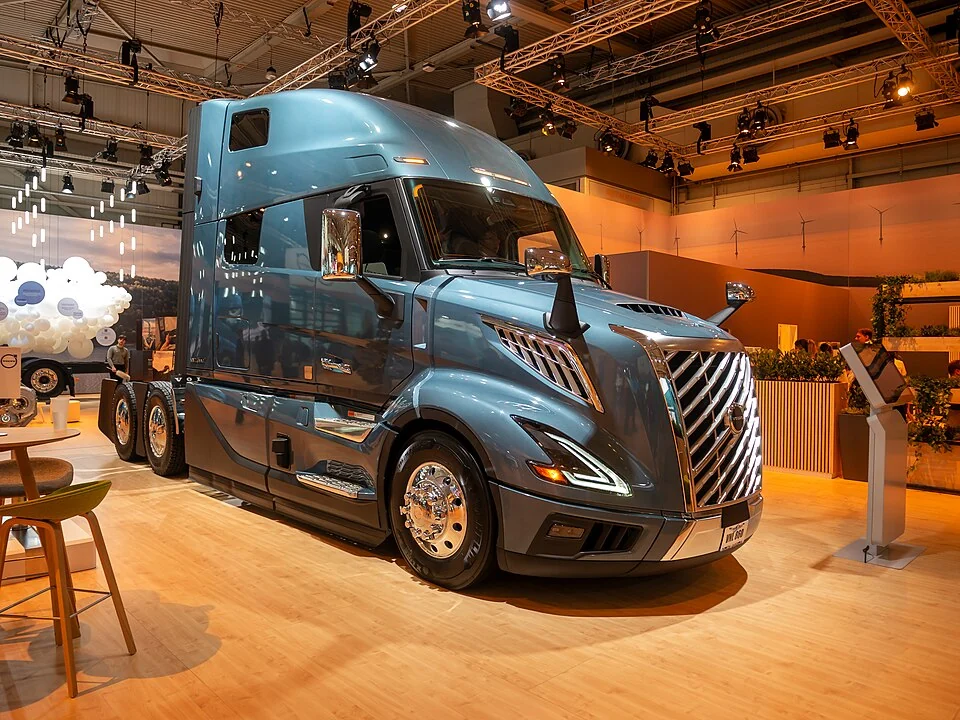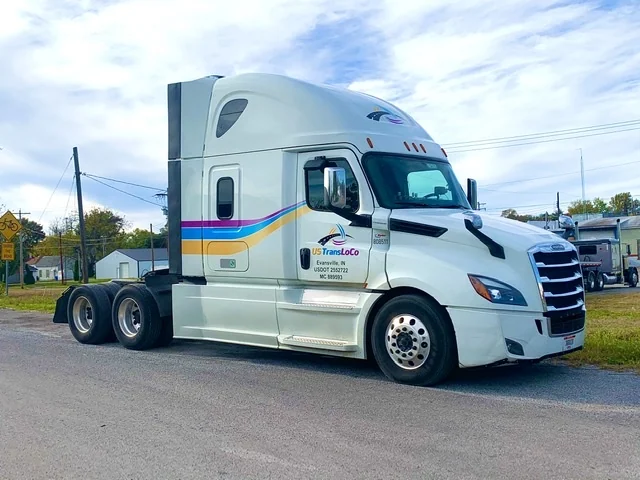
What is the Freightliner Cascadia?
Freightliner positions the Cascadia for on-highway work. It is a freight-focused model family rather than the medium-duty M2 or severe-duty SD platform. The Cascadia name spans generations, so a new-model specification should not be assumed to describe an older used tractor.
Cab length and engine generation
Freightliner lists 116-inch and 126-inch bumper-to-back-of-cab (BBC) Cascadias, with day cabs and several sleeper sizes. BBC is a cab-layout dimension, not the wheelbase. A second distinction is easy to miss: the fifth-generation truck and the engine generation are different identifiers. The specification page marks Detroit Gen 6 engines as available in January 2027, so that future offering should not be assigned to an earlier truck.
A useful listing comparison
For example, two listings described simply as “Cascadia sleeper” may differ in hood length, sleeper length and roof height. Record those three dimensions separately before comparing equipment. A tall roof visible in a photograph does not identify the engine, and a generation label does not establish a sleeper’s interior layout. This approach helps explain a price difference without assuming that the larger-looking truck has a larger engine or more usable living space.
What matters in a comparison
Compare a Cascadia’s exact generation and powertrain with the work it will do. Ask for cab configuration, axle ratio, tyre size and loaded fuel records. Driver-assistance equipment also needs year-specific verification. For long-distance work, include sleeper and idle-management needs in the comparison; for local service, assess whether those features contribute enough to justify their cost.
Questions to take to the supplier
- Which generation and model year is this truck?
- What engine and transmission variant is installed?
- Are operating records representative of your loads?
Sources & limits
Manufacturer references support the model facts. Our examples and comparisons are editorial interpretation prepared with AI assistance, not road tests or an expert inspection.
Check the year, market and exact build before applying a specification. This guide does not authorize parts fitment, repairs, modifications or loading.
Published specifications and examples retain their labelled units; the header preferences apply to calculators.
Editorial method & reference limits · Report a correction