What is the Volvo VNL?
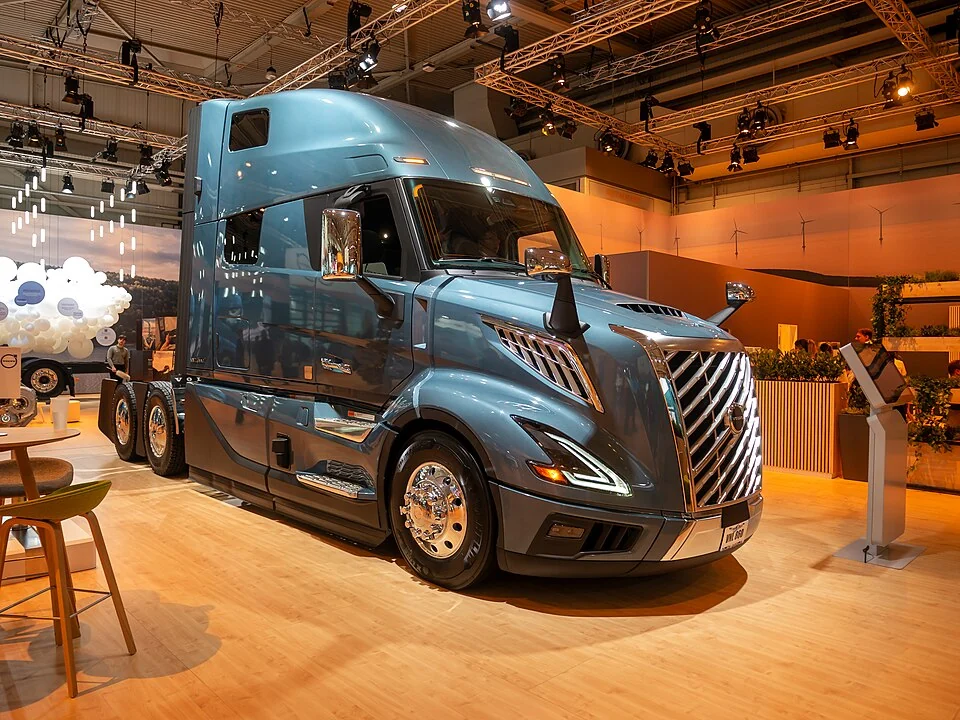
The VNL is Volvo’s North American long-haul family. The current manufacturer page describes a D13 engine and I-Shift automated manual powertrain, with several day-cab and sleeper configurations. Those current details should not be applied automatically to earlier VNL generations.
Read the number within the right generation
Volvo’s January 2024 launch names six configurations for the redesigned VNL: 300 day cab; 440 with a 42-inch mid-roof sleeper; 640 and 660 with 62-inch sleepers; and 840 and 860 with 74-inch sleepers. The 640/840 are mid-roof, while the 660/860 are full-height. These are specifications of that redesigned family. A reused model number or an older VNL photograph is not enough to identify the platform.
Length and roof height answer different needs
When comparing a redesigned VNL 640 with a 660, the listed sleeper length is the same; roof height is the distinguishing cab choice. Comparing a 660 with an 860 changes sleeper length as well. This gives a more useful starting point than ranking the numbers as successive performance levels. Separate the sleeping arrangement, storage needs and trailer profile from the engine package, then compare actual equipment. A higher cab number does not establish higher engine output.
What matters in a comparison
On a VNL comparison, name the generation as well as the cab model. Compare the complete tractor–trailer combination, including gearing and sleeper requirements. For a used truck, review records for the exact engine and emissions generation. Manufacturer economy claims use a defined comparison; your fuel-cost assumption should come from a suitable route, load and operating pattern.
Questions to take to the supplier
- Which VNL generation and cab model is being offered?
- What torque package and final drive are specified?
- Are route-based fuel and service records available?
Sources & limits
Manufacturer references support the model facts. Our examples and comparisons are editorial interpretation prepared with AI assistance, not road tests or an expert inspection.
Check the year, market and exact build before applying a specification. This guide does not authorize parts fitment, repairs, modifications or loading.
Published specifications and examples retain their labelled units; the header preferences apply to calculators.
Editorial method & reference limits · Report a correction